
Professor Wang Tianmiao visits SynDexy: Advancing embodied AI through real applications
Professor Wang Tianmiao, a prominent robotics expert, Honorary Director of the Robotics Institute at Beihang University and initiator of the Zhiyou Yarui technology innovation platform, recently visited SynDexy. He discussed embodied AI industry trends, deep-tech entrepreneurship, research commercialisation and deployment in real applications with the SynDexy team.
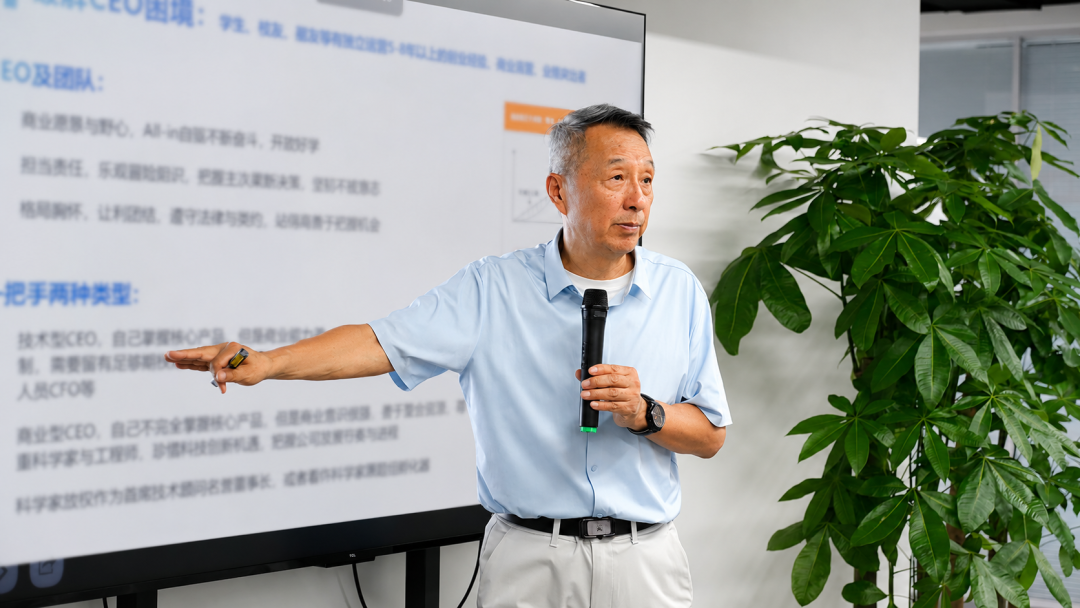
Drawing on his extensive experience in robotics research, deep-tech incubation and investment, Professor Wang shared his observations on embodied AI from the perspectives of technology trends, value cycles, market opportunities, sector selection and entrepreneurial development.
He noted that an emerging industry may take ten or twenty years to mature, while the window for securing a leading technological position may be only three to five years. For embodied AI, which remains at an early stage, looking beyond the excitement to understand customer pain points, assess industry timing, find an effective entry point, build customer relationships, accelerate financing and engage with real problems early is particularly important.
In Professor Wang's view, sustained interest in embodied AI is driven both by advances in AI and by the new capabilities robots need when entering the physical world. Models, data, computing resources, hardware, robot platforms and applications all affect whether embodied AI can reach industry and wider use. Industrial and specialised environments, in particular, involve diverse tasks, numerous on-site constraints, demanding stability requirements and strict safety tolerances. These conditions create opportunities in many specialised areas, where companies must define their capabilities and product paths around specific tasks.
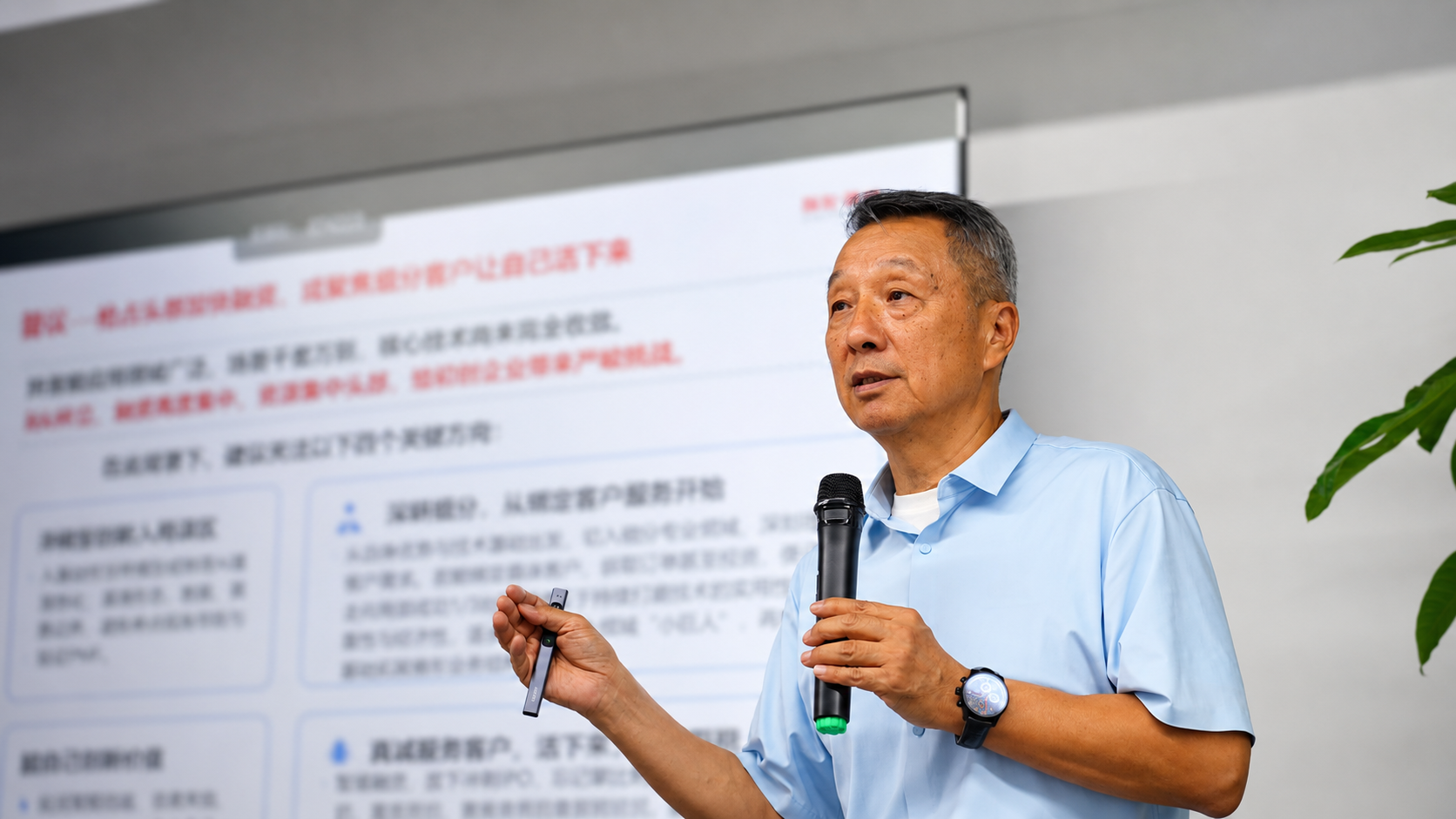
Professor Wang also emphasised that deep-tech innovation must go beyond technology alone. "Innovation requires both engineering thinking and economic thinking." In embodied AI, frontier research, engineering systems and industrial applications need closer connections. Papers, demonstrations and prototypes show what technology could do. Once introduced into a company or customer environment, that technology must be tested against market requirements. Product definition, engineering validation, cost control and reliable delivery gradually build sustainable technical and product competitiveness.
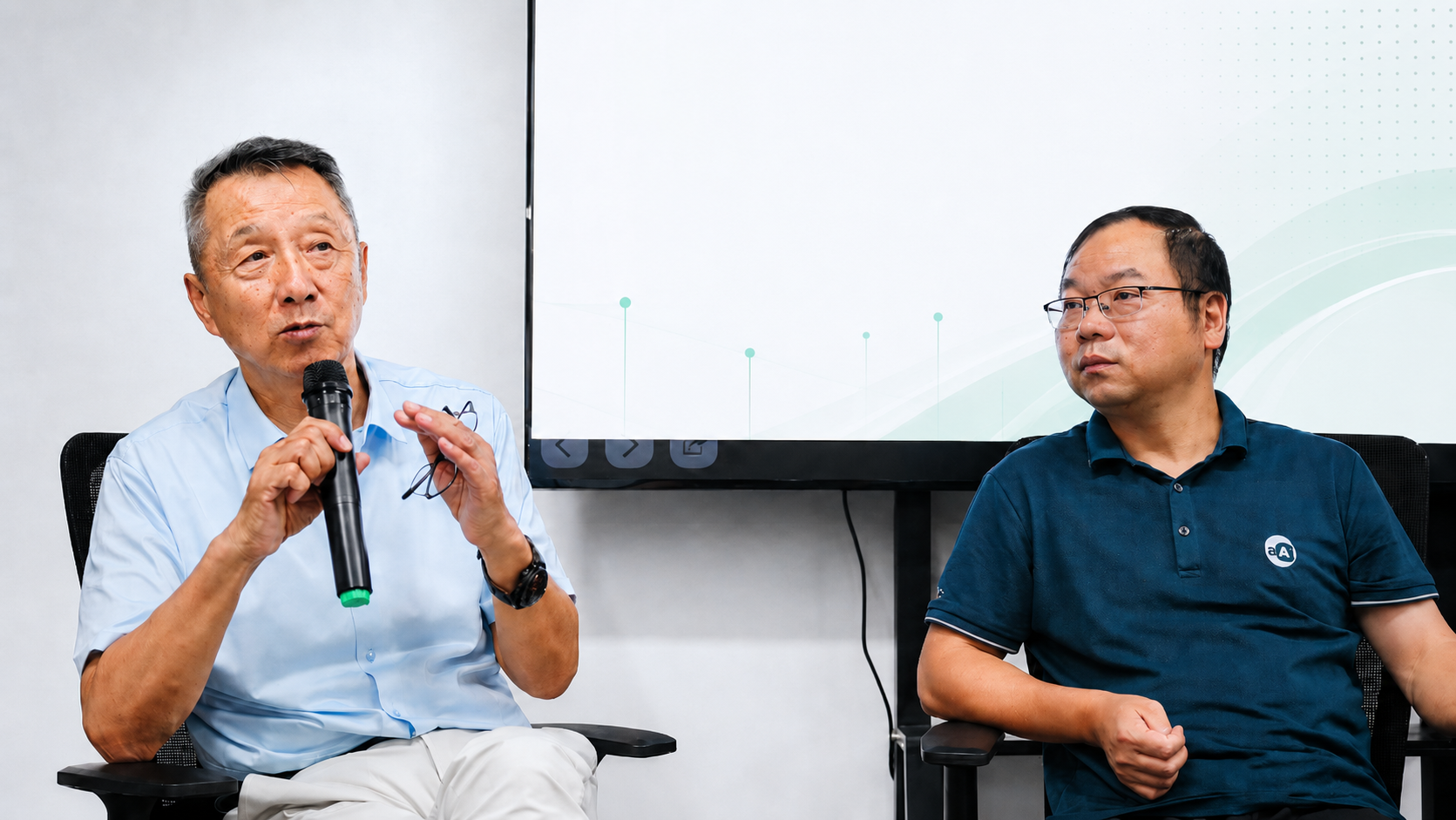
Professor Wang discussed this further with SynDexy's Chief Scientist, Professor Fang Bin, and the SynDexy team.
As SynDexy's Chief Scientist, Professor Fang has long researched embodied AI, human-robot interaction, dexterous manipulation and intelligent robot perception, and has led students to multiple achievements in international robot manipulation competitions. Professor Wang's visit brought research experience, industry judgement and company practice into a shared discussion.
Founded in 2025, SynDexy focuses on dexterous manipulation and tactile intelligence. It addresses the physical challenges robots encounter in real tasks, including contact, force, alignment, insertion, connection and fitting. By combining visuotactile perception, manipulation models and end-effector capabilities, the company aims to turn technical validation into capabilities that can be delivered in real applications.
Many processes in precision consumer electronics assembly still rely on human experience and feel. SynDexy works on tactile sensing, visuotactile fusion, end-effector manipulation models and execution systems to build stable, reliable manipulation capabilities for these specific tasks.
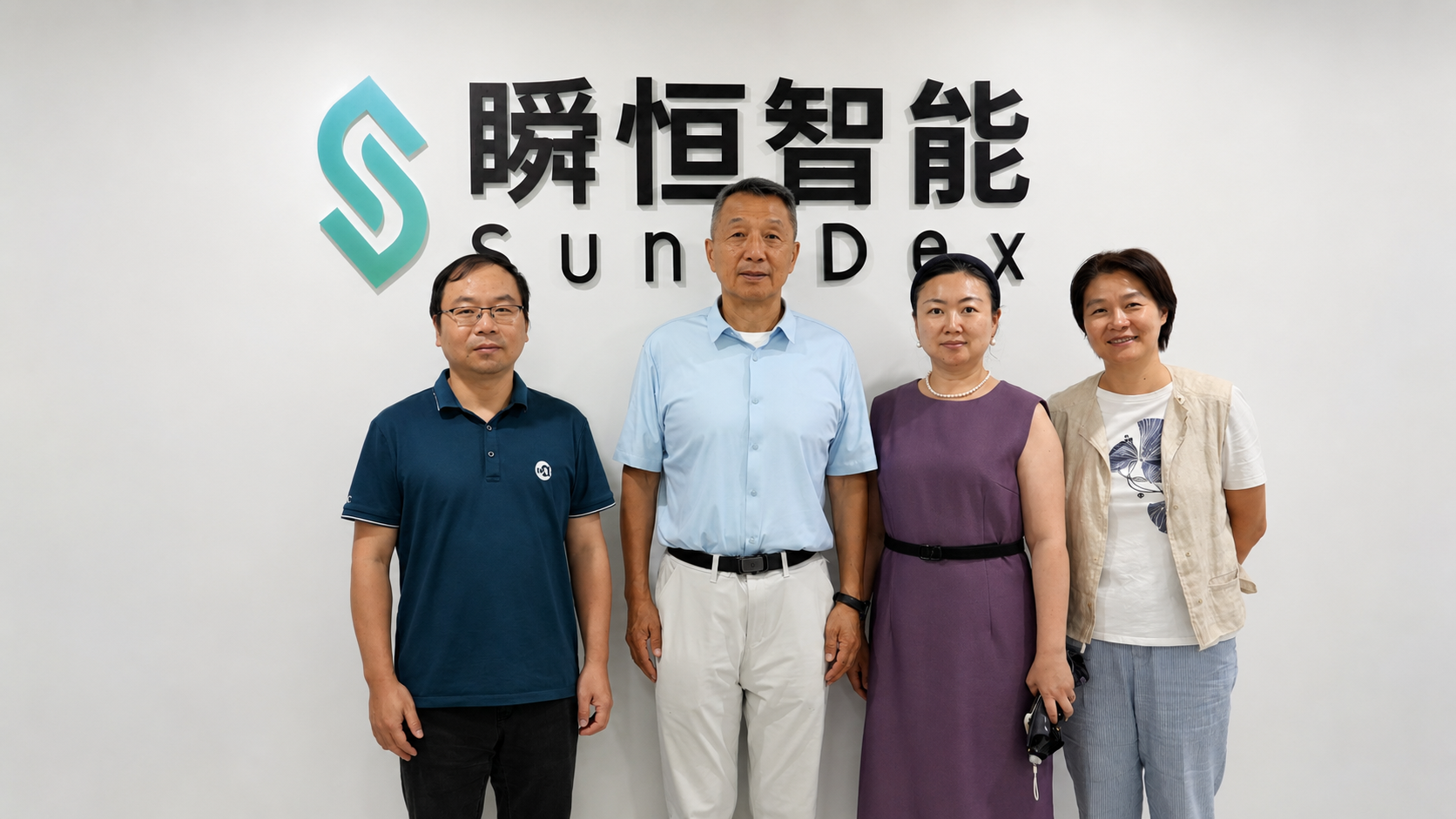
Professor Wang's visit provided SynDexy with valuable strategic guidance. Discussions of industry opportunities, application selection, research commercialisation and the pace of deep-tech entrepreneurship gave the company a clearer industry perspective on its development path through real applications.
As embodied AI moves from technical exploration toward industrial deployment, SynDexy will continue to work from real industrial applications and focus on dexterous manipulation and tactile intelligence. By solving specific manipulation problems, it aims to accumulate high-quality physical-world data, enable robots to learn and improve through real tasks, and explore practical paths toward deployment at scale.